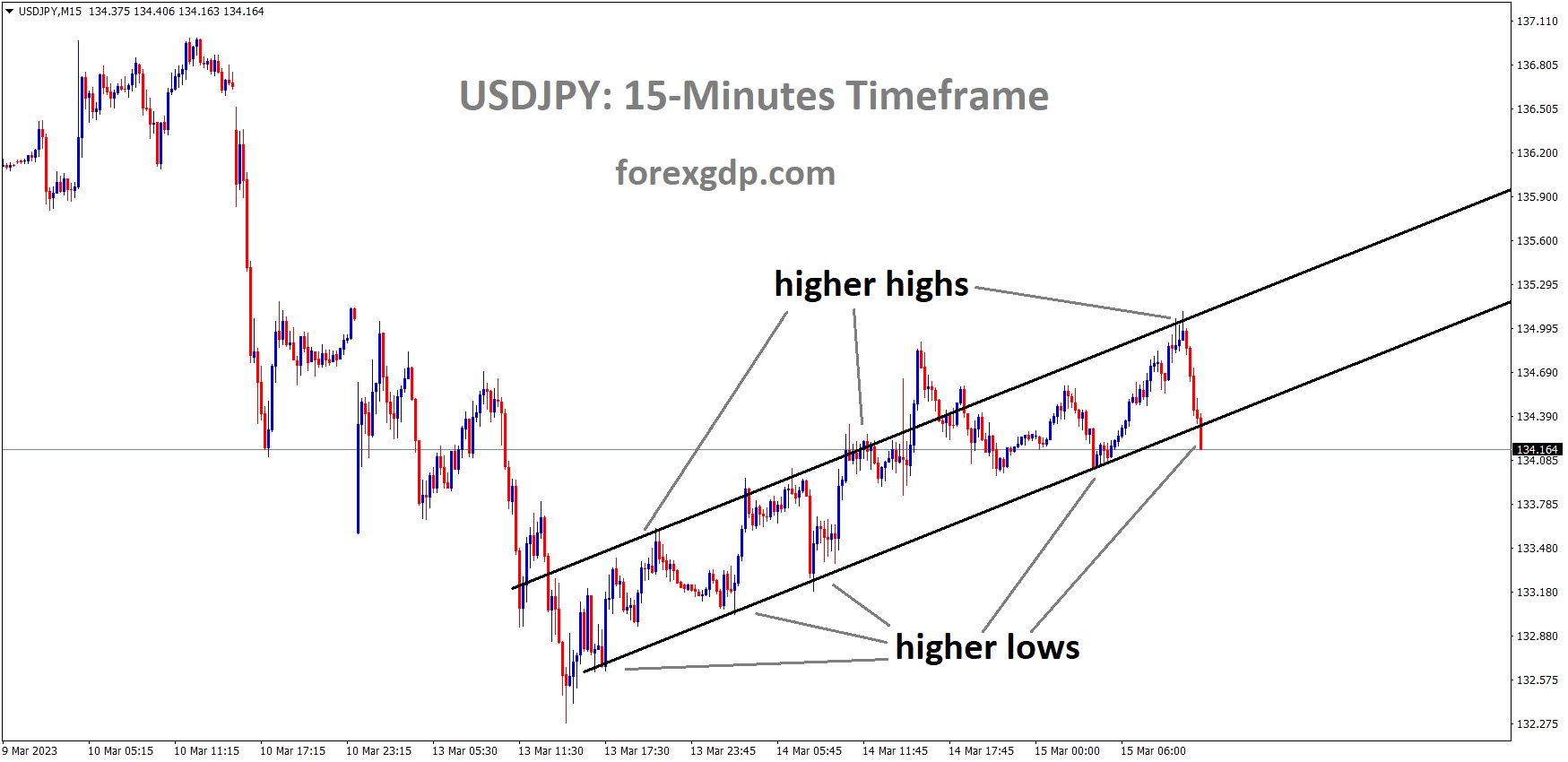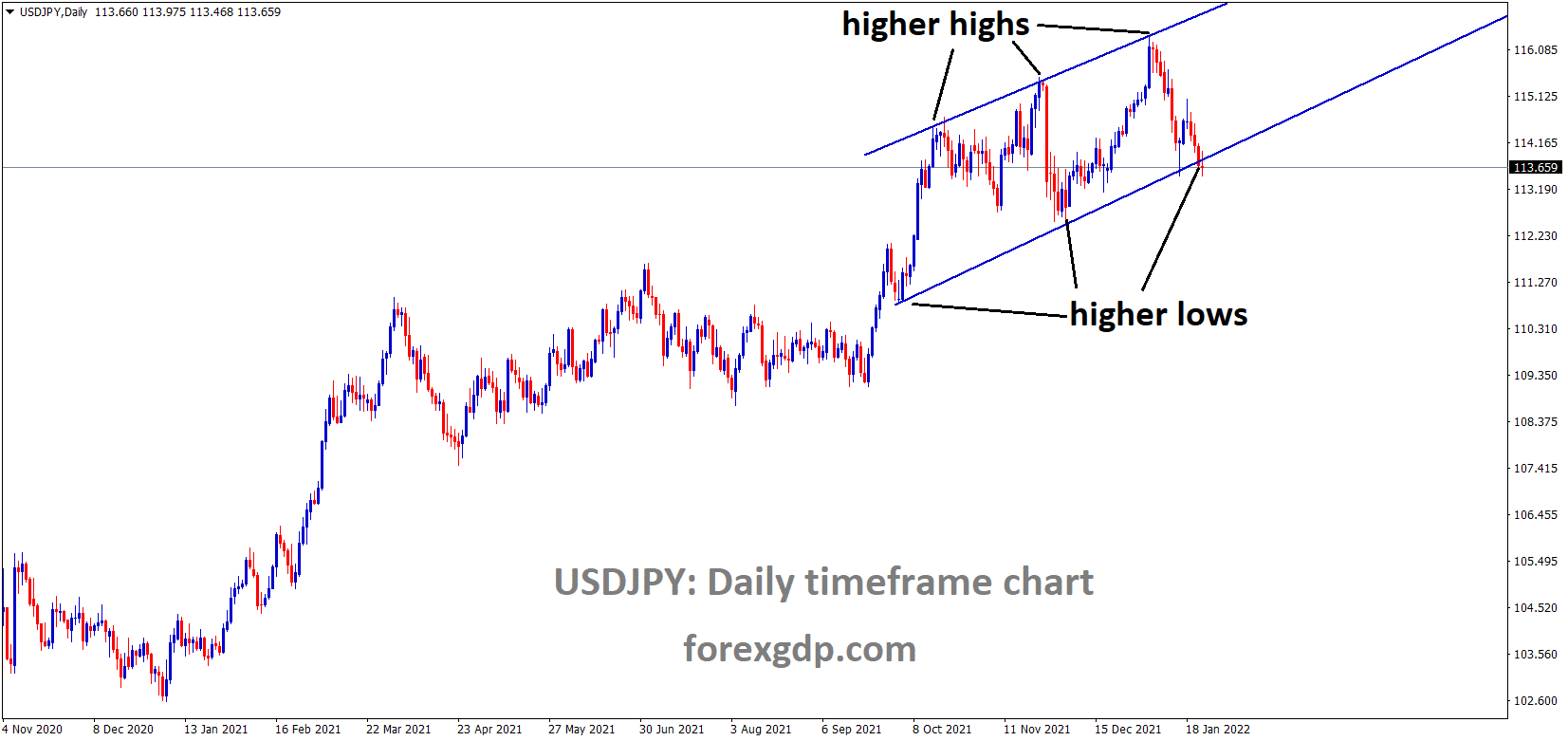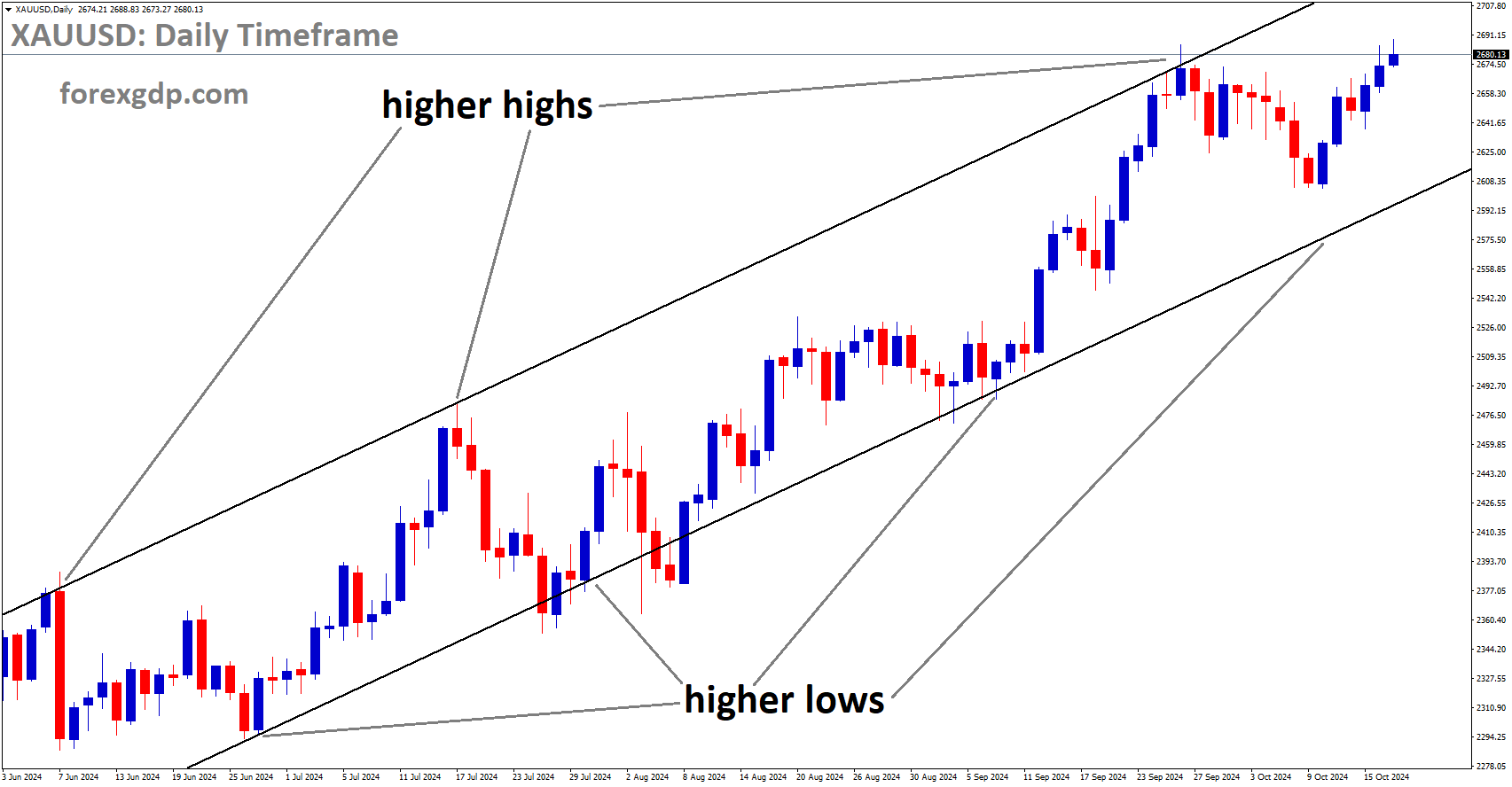
XAUUSD is moving in an uptrend channel, and the market has rebounded from the higher low area of the channel
Gold has always been more than just a metal. It’s a symbol of stability, a store of value, and a safe place for investors when the world feels uncertain. In recent times, gold has once again proven its power as it continues its remarkable rise, reaching near record-breaking levels. But what’s really driving this surge? Let’s dive deep into the key reasons behind gold’s ongoing strength, the global factors supporting it, and why many investors believe this momentum could continue.
The Perfect Storm: What’s Fueling Gold’s Ongoing Rally
Gold’s impressive run isn’t happening by chance. Several global developments are working together to keep it shining bright. From political tension to economic uncertainty, gold is thriving because it offers what no other asset can—trust during turmoil.
1. The Safe-Haven Appeal in Times of Trouble
Whenever global markets start to shake, investors rush toward safety—and gold has always been their first choice. Recently, renewed tensions between the United States and China have reignited trade worries, stirring fear about the future of the world economy. When these two global giants clash, markets tremble, and investors look for something stable to hold on to.
Adding to this, rising geopolitical risks, especially in conflict zones, have created even more uncertainty. The idea of “safety” becomes incredibly valuable in such moments, and that’s where gold shines the most. Unlike currencies or stocks, gold doesn’t depend on government policies or corporate profits—it holds intrinsic value. That’s why, in times of tension, gold demand tends to skyrocket.
2. The Shadow of the U.S. Government Shutdown
Another major factor driving gold’s recent momentum is the ongoing U.S. government shutdown. With no immediate resolution in sight, this political deadlock is beginning to weigh on investor confidence. The longer it continues, the more it threatens to disrupt economic growth. Treasury officials have already suggested that the shutdown could cost billions each week in lost productivity. This kind of economic slowdown fuels fears of a deeper recession, making gold even more attractive as a stable hedge.
When governments stall, economies suffer. Investors start pulling money out of uncertain assets and seek refuge in commodities like gold. That’s why even in the face of global market optimism, gold has managed to maintain a solid bullish tone.
The Dollar’s Weakness Becomes Gold’s Strength
A big part of gold’s strength lies in its relationship with the U.S. Dollar (USD). Historically, when the dollar weakens, gold prices rise—and that’s exactly what we’re seeing now.
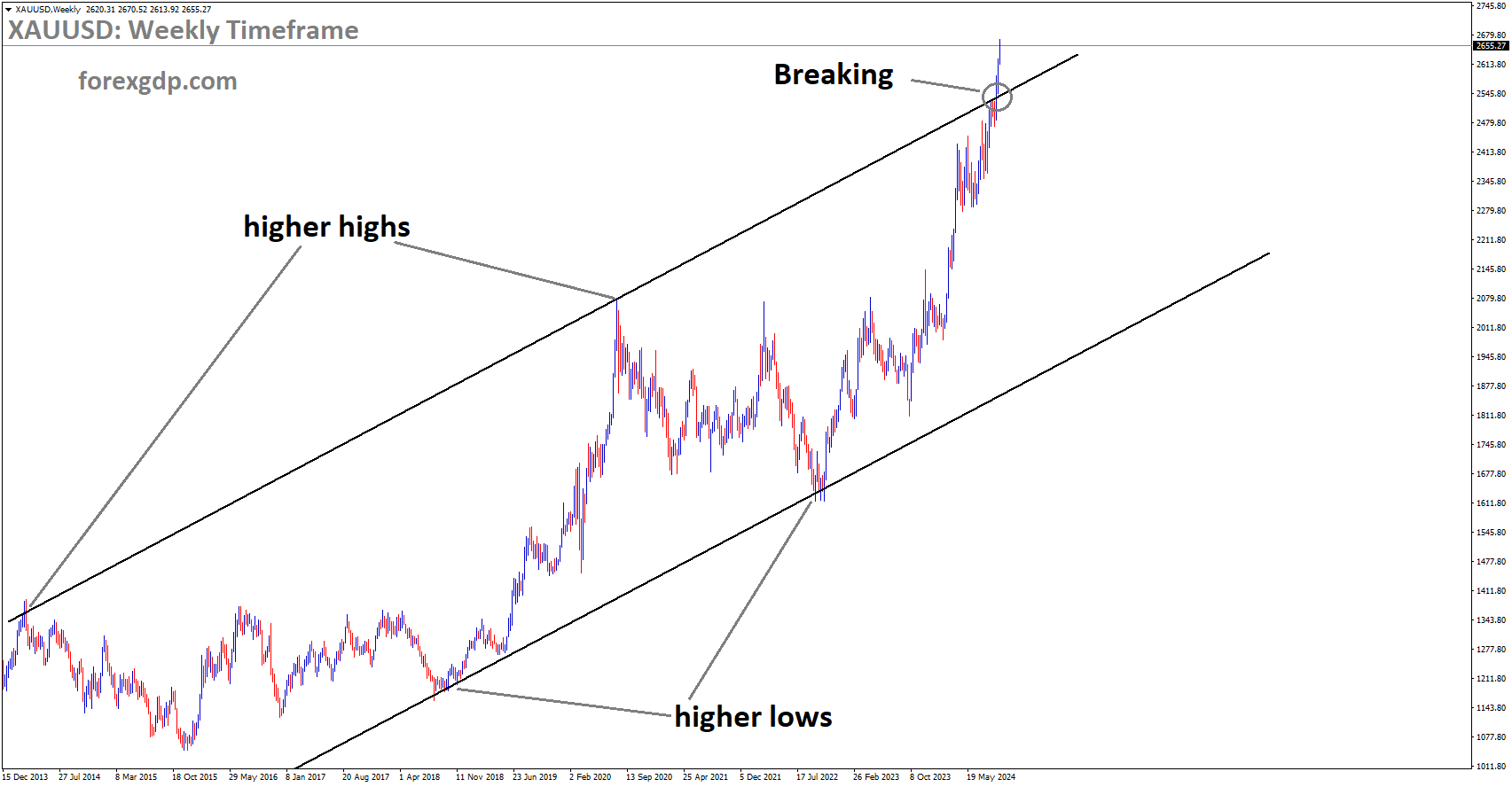
XAUUSD is breaking the higher high area of the Ascending channel
1. The Federal Reserve’s Dovish Tone
The U.S. Federal Reserve has made it clear that it’s leaning toward interest rate cuts to support the economy. With inflation cooling and economic growth showing signs of strain, markets expect the Fed to lower borrowing costs twice more this year. Lower interest rates usually weaken the dollar because investors get less return from holding USD-denominated assets.
When the dollar falls, gold becomes cheaper for investors using other currencies, leading to increased global demand. This dynamic has helped fuel the metal’s latest surge, as traders and long-term investors alike anticipate further gains.
2. Investors’ Flight from Risk
Despite moments of optimism in the stock market, many investors are still cautious. Global uncertainty—from trade wars to political instability—has created a risk-off sentiment. That means investors are less willing to take chances on risky assets and more likely to park their money in gold. With the U.S. Dollar sliding for several consecutive days, gold’s non-yielding nature suddenly looks far more appealing.
In essence, what hurts the dollar often helps gold. And as long as the Federal Reserve maintains its softer stance, that relationship is likely to continue benefiting gold in the coming months.
Global Tensions: The Underlying Fuel for Gold’s Demand
Beyond economic data and central bank decisions, one of the biggest drivers for gold is global tension. Every time conflict or uncertainty rises, so does gold’s allure.
1. U.S.-China Trade Frictions Resurface
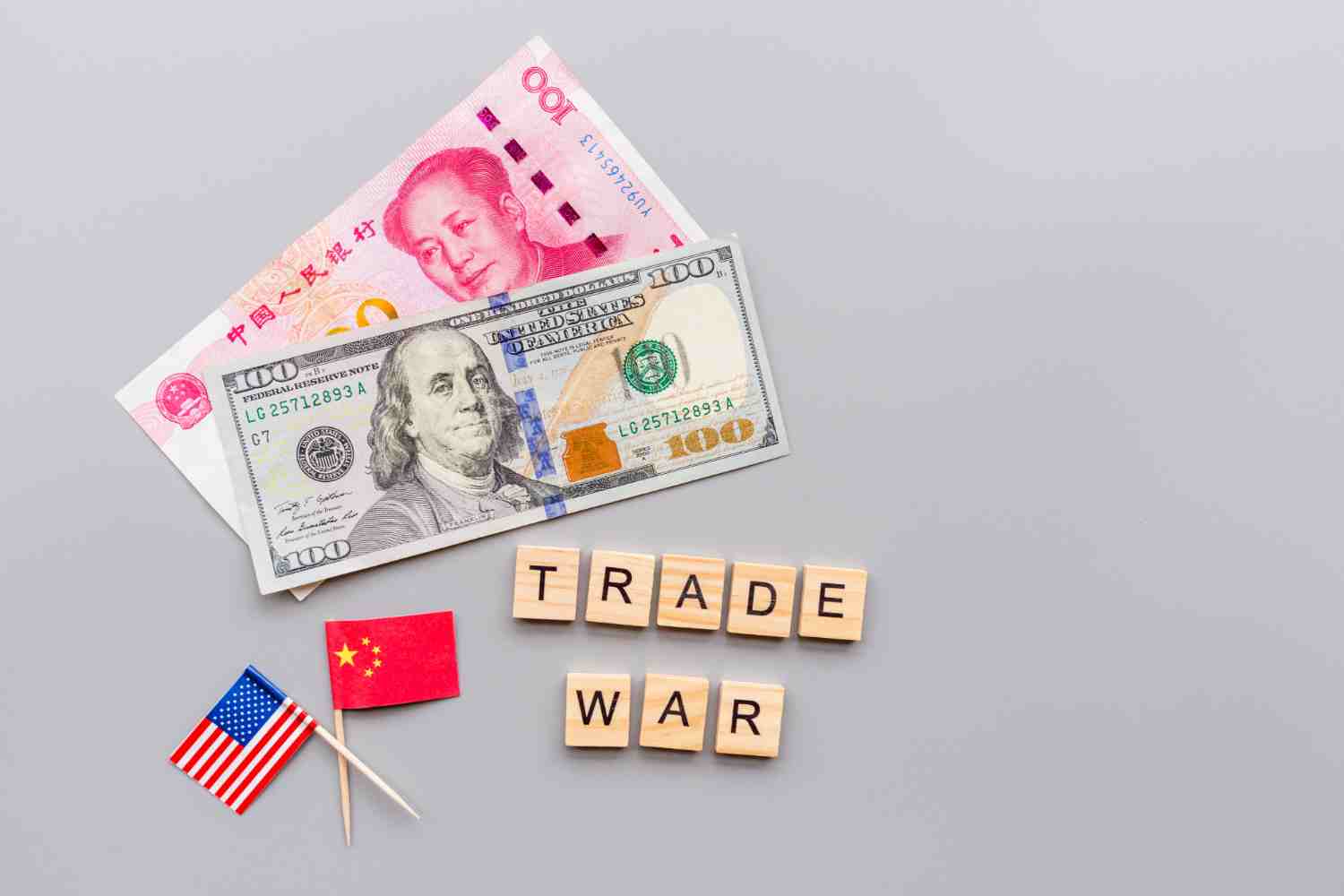
The world’s two largest economies are once again clashing over trade. After years of tariffs and disagreements, new disputes have emerged—this time revolving around export restrictions and trade bans. Both countries have imposed fresh port fees, sparking fears of a renewed trade war. Statements from leaders on both sides suggest that tensions are far from easing, and that only adds to global market anxiety.
Trade conflicts create a ripple effect: they disrupt supply chains, slow down global commerce, and make investors nervous. When markets can’t predict what’s coming next, they turn to gold for protection. It’s no surprise that each new headline involving the U.S. and China seems to boost gold demand.
2. Rising Geopolitical Risks Across the Globe
While the U.S.-China trade story grabs headlines, other geopolitical flashpoints are also playing a role. Concerns about prolonged conflicts, particularly in Eastern Europe, are making investors think twice about where to place their money. Statements from defense officials hinting at possible escalations or new military support packages only deepen those fears.
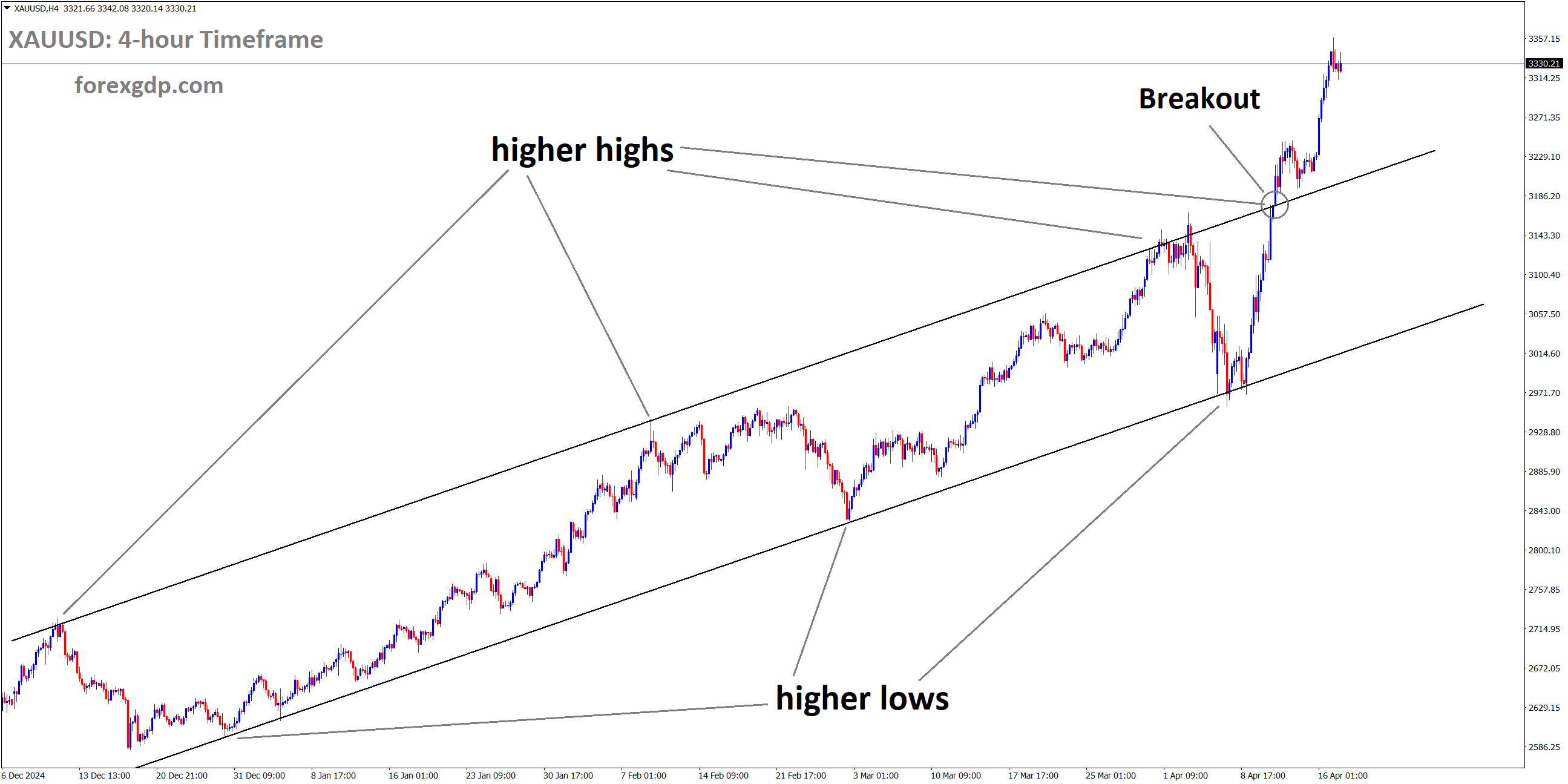
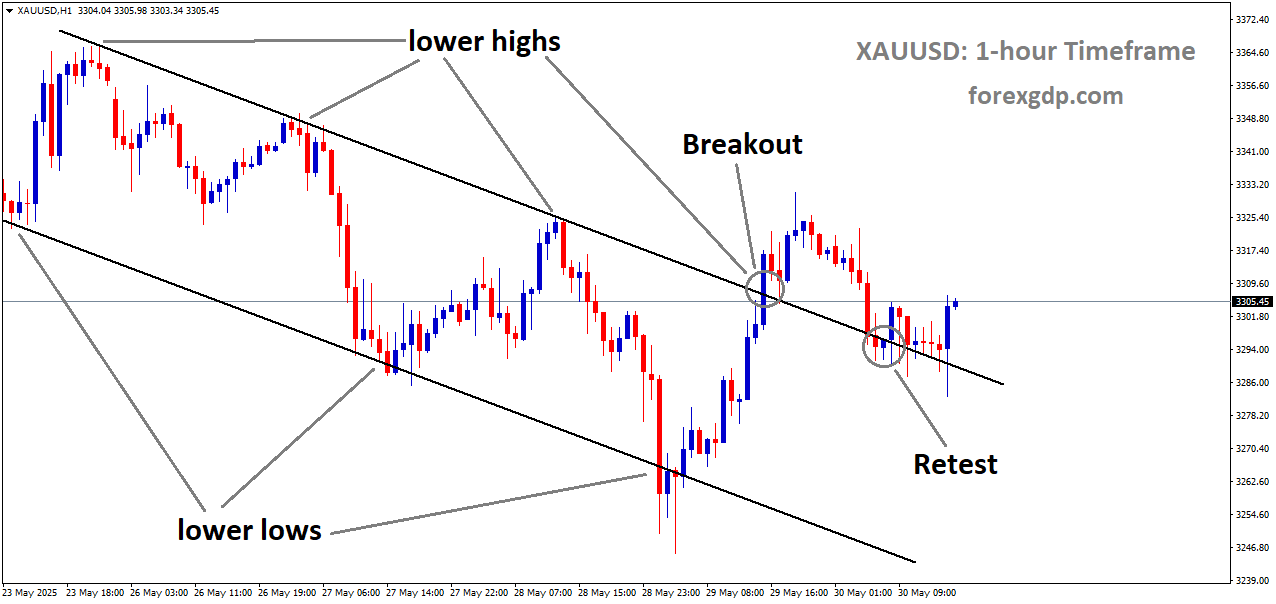
XAUUSD has broken the Ascending channel on the upside
Gold thrives in such uncertain climates because it doesn’t rely on political promises or government stability. As long as these risks remain, gold will likely continue to be the go-to choice for investors seeking stability.
Why Investors Can’t Ignore Gold Right Now
Even though some analysts warn that gold is in “overbought” territory, investor sentiment remains strong. The key reason? Confidence in gold’s long-term value. It’s not just a short-term trading opportunity—it’s a hedge against everything that’s uncertain right now.
For many, gold offers emotional comfort as much as financial security. It’s tangible, globally recognized, and trusted. When currencies lose value or markets crash, gold tends to hold firm. That’s why both institutional investors and individuals are increasing their exposure to it.
Moreover, the absence of major economic data releases this week means that investor focus has shifted even more toward safe-haven assets. Traders are watching speeches from key Federal Reserve members for hints about future rate cuts, but until then, gold continues to benefit from the current environment of caution.
Final Summary
Gold’s ongoing rise isn’t just a result of market speculation—it’s the product of real global uncertainty and shifting economic policies. From trade disputes to government shutdowns and central bank decisions, every factor points toward continued demand for safe assets. The Federal Reserve’s softer tone, the weaker U.S. Dollar, and escalating global tensions all form a foundation that supports gold’s long-term bullish outlook.
While no one can predict market movements with absolute certainty, one thing is clear: gold has reestablished itself as the ultimate safe haven in a world full of risks. For investors seeking security and stability, the yellow metal continues to shine brighter than ever.