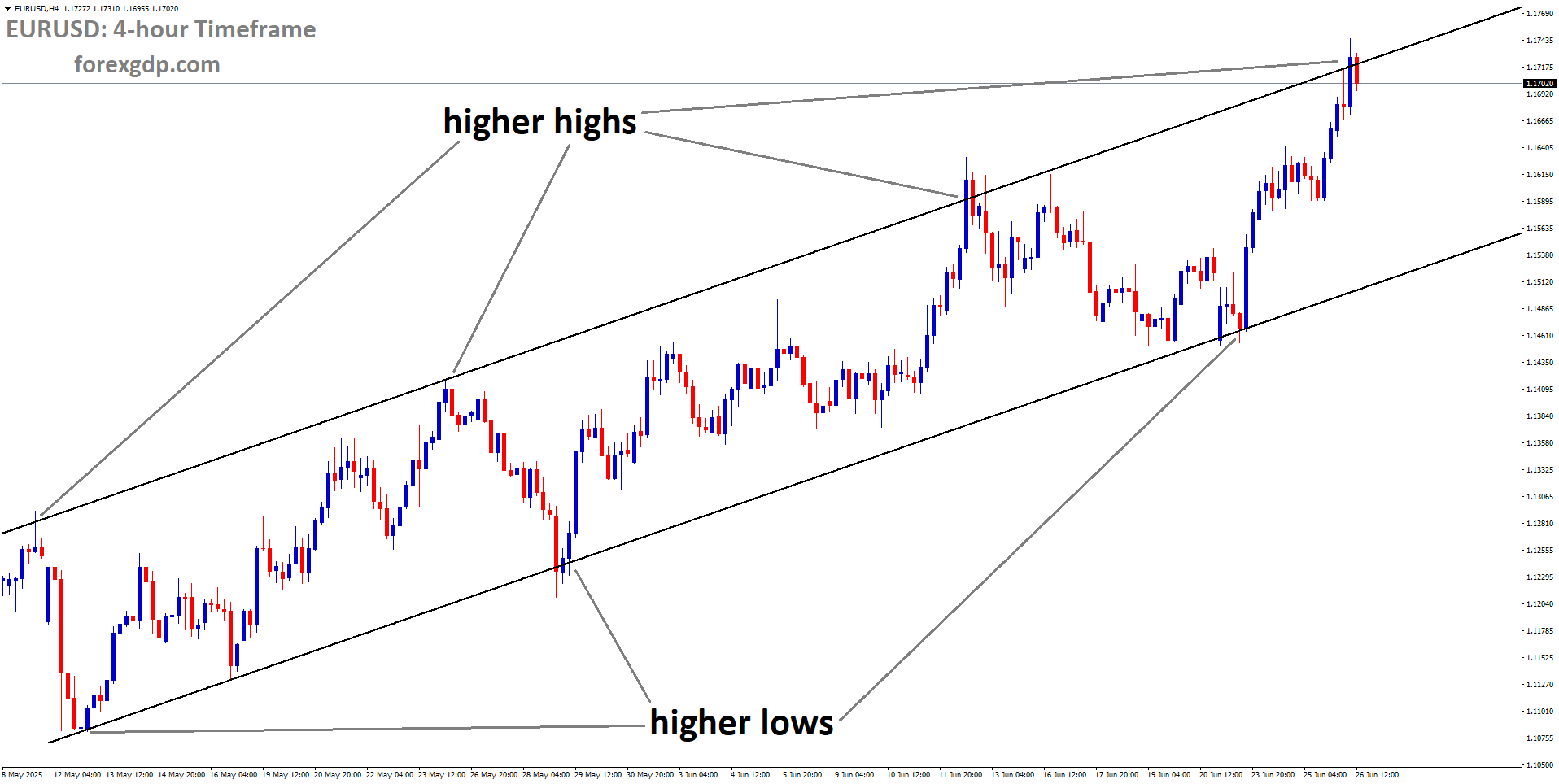
EURUSD is moving in an uptrend channel, and the market has reached a higher high area of the channel
EURUSD Strengthens as Investors Eye Eurozone Economic Outlook
The global currency market has been buzzing, and all eyes are on the Euro as it pushes to new highs. The US Dollar, once seen as unshakable, is facing significant pressure due to mounting expectations that the Federal Reserve will take a softer stance on interest rates. Investors, traders, and policymakers are all caught in the middle of this shifting landscape, creating a perfect storm of opportunities and uncertainties. Let’s break down what’s really happening, why it matters, and what could come next.
Why the Dollar Is Losing Its Shine
The Dollar has long been the world’s safe-haven currency. But lately, things haven’t been going its way. The main culprit? Growing hopes that the US Federal Reserve will lean toward a dovish stance—which simply means cutting interest rates or slowing down future hikes.
When the Fed lowers interest rates, borrowing becomes cheaper, investments become more attractive, and spending tends to rise. But on the flip side, the Dollar weakens because investors no longer see it as the most rewarding place to park their money. This shift in sentiment has opened the door for other currencies, especially the Euro, to step into the spotlight.
Another layer of complexity comes from politics. US President Donald Trump has openly called for deeper rate cuts, putting pressure on the central bank. For many, this raises questions about how much independence the Fed truly has. And when politics and monetary policy mix, uncertainty grows—often hurting the Dollar even more.
The Euro’s Bright Spot in a Cloudy Economy
So why is the Euro taking advantage of this Dollar weakness? To put it simply, investors are looking for alternatives, and the Eurozone, despite its challenges, offers one.
German Sentiment and Eurozone Data
Germany plays a central role in the Euro’s strength. Economic surveys, such as the ZEW Sentiment Index, give investors a snapshot of how experts feel about the economy’s direction. Recent expectations have pointed toward weaker sentiment, but there’s also a silver lining. Industrial production across the Eurozone has shown signs of improvement. Factories have picked up pace, and year-on-year numbers suggest a modest recovery.
While not every piece of data looks bright, the mix of stronger factory output and Dollar weakness has given the Euro a boost. Even when sentiment surveys are disappointing, positive production figures can help balance the scales.
Why Investors Still Choose the Euro
Beyond the numbers, there’s a psychological element. When traders see the Dollar sliding, they often shift into assets that seem more stable in comparison. Right now, the Euro benefits from being the most liquid and widely used alternative. It doesn’t have to be perfect—it just has to look better than the Dollar, and that’s enough to keep momentum going.
Global Market Reactions: A Chain Effect
When major currencies move, the effects ripple across the global economy. The current Dollar decline has triggered a chain of events worth noting:

-
Stock Markets Celebrating: Wall Street has welcomed the idea of lower borrowing costs. With interest rates expected to fall, companies see cheaper loans, which can fuel growth and profits. Investors have pushed US indexes to new highs, despite concerns about long-term stability.
-
Shifting Risk Appetite: Usually, investors worry about political uncertainty or debt problems in Europe. But with the Dollar under pressure, those concerns have temporarily taken a back seat. Risk appetite has grown, with many investors showing more willingness to hold Euros.
-
The Bigger Picture of Rate Cuts: Markets aren’t just pricing in one cut—they’re beginning to believe that a whole cycle of reductions may be on the horizon. If true, this would weaken the Dollar further and keep pushing the Euro upward.
The Fed’s Balancing Act
One of the biggest questions right now is how the Federal Reserve will navigate these pressures. Investors expect at least a quarter-point cut, but many wonder if that will be enough.
Adding to the drama, the US Senate has confirmed Stephen Miran, a figure closely tied to President Trump, as a new Fed governor. Critics say this gives the president even more influence inside the Fed’s decision-making process. Meanwhile, Fed Governor Lisa Cook remains in her position after legal challenges tried to remove her. Together, these developments add uncertainty to how the Fed will respond—not just this week, but in the months ahead.
The challenge is clear: cut too little, and markets may feel let down. Cut too much, and the Fed risks looking politically motivated or overly reactive. Either way, the Dollar is unlikely to escape without consequences.
European Challenges That Could Slow the Euro
Of course, it’s not all smooth sailing for the Euro. Investors need to keep in mind some real challenges within Europe itself.
-
Weak Business Confidence: Surveys show that experts are losing confidence in the short-term outlook for Europe’s largest economy, Germany. If these readings continue to fall, they could weigh on the Euro’s appeal.
-
Debt Concerns in France and Beyond: Even if markets are ignoring them for now, long-term debt challenges remain. These could come back into focus if global investors lose patience with European recovery.
-
Mixed Data: While industrial production is rising, it’s still fragile. One month of positive growth doesn’t guarantee a full turnaround.
These weak points highlight that the Euro’s rise isn’t purely based on strength—it’s also fueled by the Dollar’s weakness. That means the trend could shift quickly if conditions change.
Final Summary
Right now, the Euro is enjoying one of its strongest moments in months, largely thanks to the Dollar’s struggles. With expectations building for a softer Federal Reserve, investors are shifting their focus away from the US and toward Europe. This has created a wave of demand for the Euro, supported by signs of improvement in Eurozone factory output and a global appetite for risk.
But it’s important to remember that this rally is built on fragile ground. Political pressure on the Fed, weak German sentiment, and lingering debt concerns in Europe all serve as reminders that currency markets can turn sharply.
For now, though, the Euro holds the upper hand. And as long as the Fed remains under pressure to cut rates, the Dollar may continue to lose ground, keeping the Euro firmly in the spotlight.
GBPUSD Surges After UK Employment Data Shows Steady Labor Market
The Pound Sterling (GBP) has caught the attention of traders and investors once again, strengthening sharply against its major rivals. The latest boost came right after the release of the UK’s employment data, which painted a steady picture of the labor market. While numbers alone don’t always tell the whole story, they certainly help us understand the bigger picture of how the UK economy is moving forward. Let’s break down what’s happening and why the Pound is finding new strength.

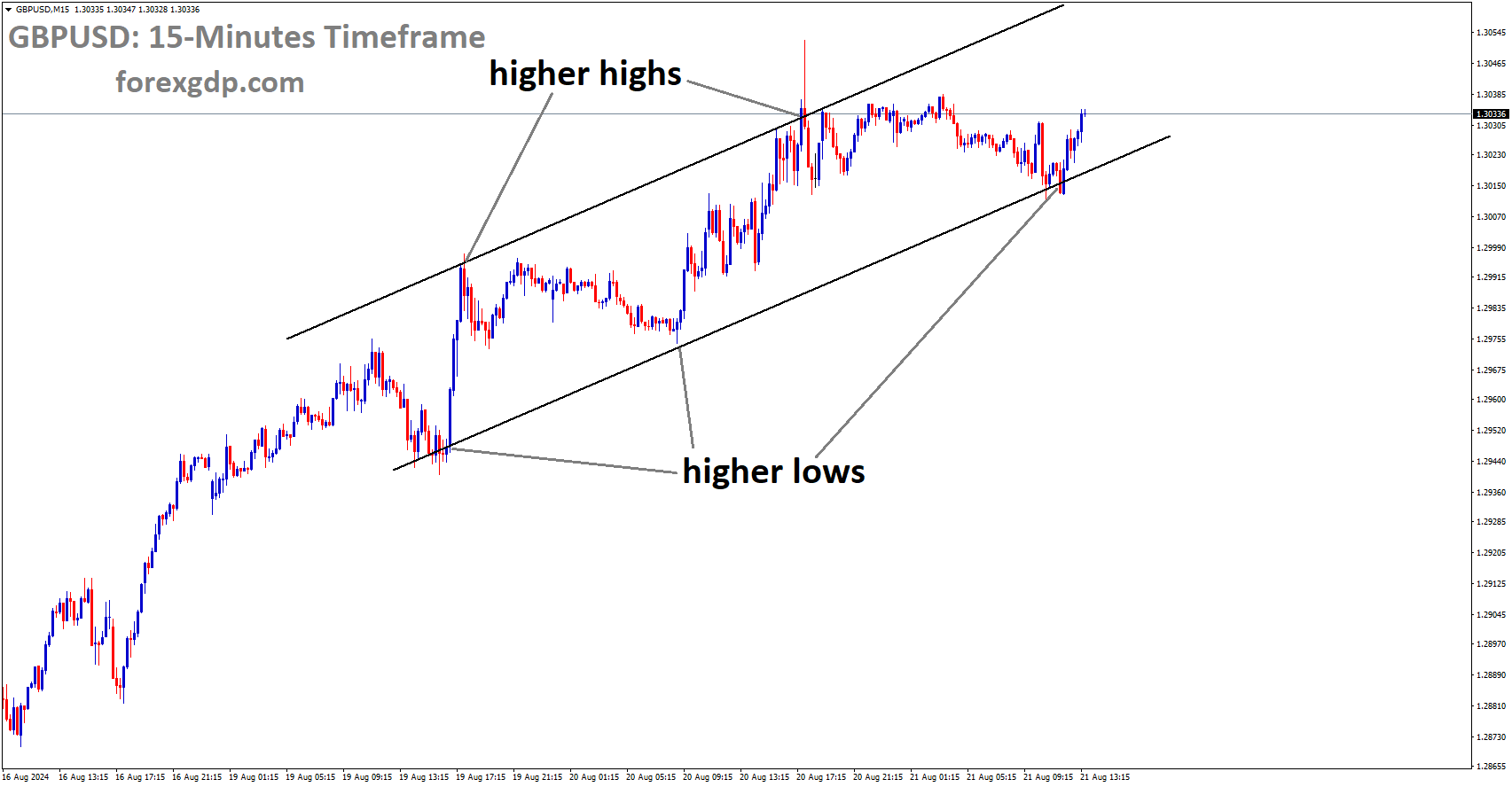
GBPUSD has broken the Ascending Triangle pattern
UK Jobs Market Holds Steady
The Office for National Statistics (ONS) confirmed that the unemployment rate stayed at 4.7%, exactly as experts had predicted. This figure may sound modest, but it is actually a four-year high, meaning the labor market still has some challenges to work through.
At the same time, the UK economy added 232,000 new jobs during the quarter ending in July. This was almost perfectly in line with forecasts, showing resilience in job creation even as businesses continue to adjust to global and domestic pressures.
Another key piece of the puzzle is wage growth. Average earnings excluding bonuses rose by 4.8%, while wages including bonuses increased by 4.7%. Both figures matched expectations and hinted that workers are still enjoying pay rises, though at a slightly slower pace compared to previous months.
Why This Matters
For policymakers at the Bank of England (BoE), steady jobs data offers a sense of relief. Governor Andrew Bailey recently warned about “downside job risks,” highlighting his concerns that employment could weaken further. However, the latest report suggests that the labor market is holding up better than feared, reducing immediate pressure on the BoE to shift its approach dramatically.
Investors Eye the Week Ahead
While jobs data has given the Pound a push, traders are not stopping there. Two major events are lining up this week, and they could spark even more movement in the British currency.
-
UK Consumer Price Index (CPI)
Inflation remains one of the hottest topics for markets and households alike. The upcoming CPI release for August is expected to show a rise to 3.9% annually, slightly higher than the previous 3.8%. If inflation picks up faster than expected, it could strengthen the case for the BoE to hold interest rates steady at their current level. -
Bank of England Policy Decision
Right after the inflation data, the BoE will deliver its monetary policy update. While no big surprises are expected, even a hint of concern about jobs or inflation could sway the market. Traders will be watching closely for any shift in tone from policymakers.
Together, these events could shape the near-term direction of the Pound, making this a particularly important week for anyone keeping an eye on GBP movements.
Global Spotlight: Fed’s Next Move
It’s not just UK news driving the Pound higher. Across the Atlantic, the US Dollar has been struggling under growing expectations that the Federal Reserve (Fed) will cut interest rates.

Investors are almost certain that the Fed will lower borrowing costs by a quarter of a percentage point. Some even believe a larger cut could be on the table, as signs of slowing job growth in the US continue to pile up. When the Fed takes a softer stance, the Dollar usually weakens — and that automatically boosts currencies like the Pound.
The Fed’s decision, along with Chair Jerome Powell’s comments, will be closely watched. Markets want to know how the Fed views the labor market, inflation, and even trade issues such as tariffs. All of these factors could ripple into the Pound’s performance, making this a transatlantic story rather than just a local one.
Why the Pound’s Strength Matters for Everyone
When we talk about currencies moving up or down, it’s easy to think this only matters to traders. But in reality, currency strength has real-world consequences for people and businesses.
-
Travelers: A stronger Pound makes trips abroad cheaper for UK tourists, as their money stretches further.
-
Importers: Companies that buy goods from overseas can benefit because it costs less to purchase foreign products.
-
Exporters: On the flip side, businesses that sell goods abroad may find it harder to compete, as UK products become more expensive for foreign buyers.
-
Consumers: Everyday people may feel changes in prices of imported goods, from electronics to food.
This is why investors, policymakers, and ordinary people alike all keep an eye on currency movements.
What to Watch Going Forward
The Pound’s strong performance is encouraging, but the story is far from over. In the short term, several things could influence where it goes next:
-
UK Inflation Trends: If prices keep rising quickly, the BoE may feel pressured to act more cautiously.
-
BoE’s Policy Stance: Even a small shift in tone could spark new market reactions.
-
US Federal Reserve Decisions: The Fed’s moves remain one of the biggest drivers for the Dollar, and by extension, the Pound.
-
Global Economic Sentiment: Any signs of global slowdown or recovery can play into how investors view risk and which currencies they favor.
Final Summary
The Pound Sterling’s recent surge shows just how much economic data and central bank expectations can move markets. With UK employment holding steady, wages still rising, and inflation data just around the corner, the Pound has plenty of reasons to stay in the spotlight. Add in the Fed’s upcoming interest rate cut, and we’re looking at a week packed with potential surprises for both the Pound and the Dollar.
For now, the message is clear: the Pound has found its strength again, and all eyes are on what comes next in both London and Washington.
USDJPY Faces Decline as BoJ Signals Support a Stronger Yen
The foreign exchange market has been buzzing lately with the Japanese Yen (JPY) showing signs of renewed strength against the US Dollar (USD). For anyone following the USD/JPY pair, recent moves have raised some eyebrows. But what’s really behind this surge in the Yen? Let’s dive into the main factors shaping this trend and unpack how upcoming decisions from the Bank of Japan (BoJ) and the Federal Reserve (Fed) could play a major role.
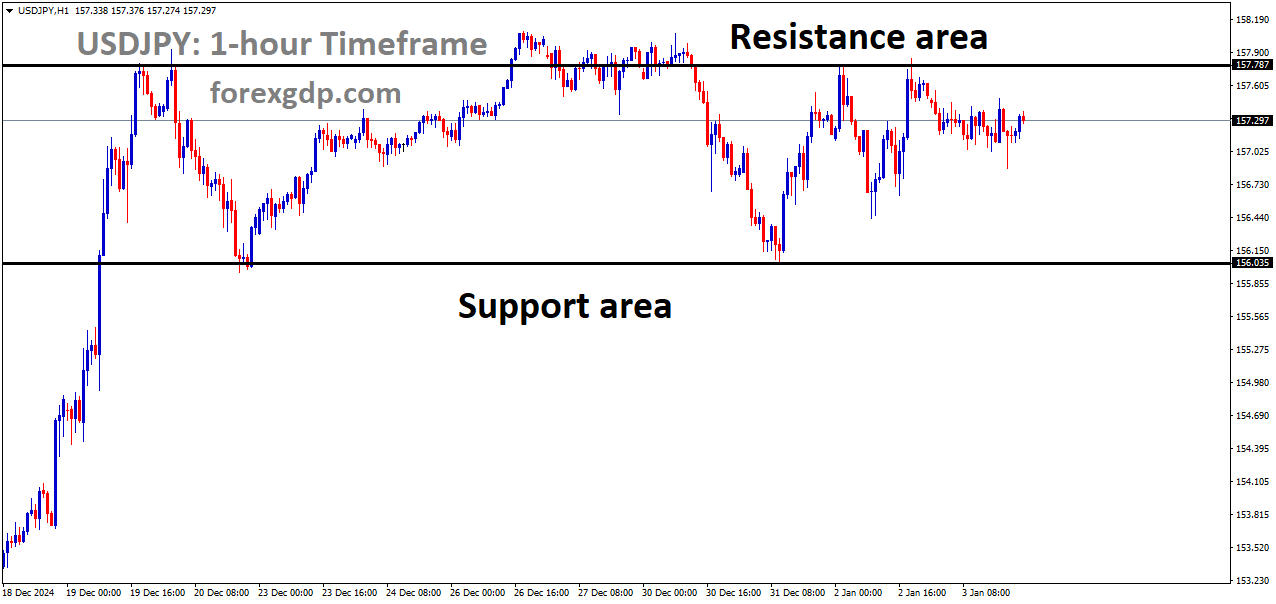
USDJPY is moving in a box pattern
Why the Yen Is Back in Focus
Over the past few weeks, the Japanese Yen has attracted attention from traders and investors who see opportunities brewing. The reason is largely tied to monetary policy expectations. Markets are increasingly convinced that the Bank of Japan is finally on track to stick with its policy normalization path. In simple terms, investors believe that Japan’s ultra-loose monetary policy is about to take a more balanced turn, potentially including rate hikes in the near future.
On the other side of the equation, the Federal Reserve is widely expected to resume cutting interest rates. This sharp contrast between a tightening stance from the BoJ and a loosening one from the Fed naturally makes the Yen more appealing compared to the Dollar. After all, when one central bank signals higher returns while another hints at lower ones, traders tend to flow towards the stronger side – in this case, the JPY.
Political Developments Add Uncertainty
While monetary policy is the big story, politics in Japan can’t be ignored. The sudden resignation of Prime Minister Shigeru Ishiba has created a layer of uncertainty that might impact how quickly the BoJ moves. Leadership changes in Japan often shake investor confidence and may cause the central bank to act cautiously rather than aggressively.
Adding to this, Shinjiro Koizumi’s candidacy to lead the ruling Liberal Democratic Party (LDP) and possibly replace Ishiba introduces more unpredictability. A shift in leadership always carries questions about how policy priorities may change, and this could affect the BoJ’s timeline for rate hikes. In short, politics may temporarily hold back what otherwise looks like strong momentum for the Yen.
Economic Signals That Support the Yen
Despite political headwinds, Japan’s economic backdrop remains encouraging. Several factors stand out:
-
Tight labor market – With strong employment numbers, household income and spending power remain steady.
-
Optimistic growth outlook – Japan’s economy has been showing signs of resilience, even with global uncertainties.
-
US-Japan trade deal benefits – Recent trade agreements have reduced certain risks for Japan’s growth path, making the country more confident about achieving its inflation goals.
These developments give the BoJ more reasons to push ahead with interest rate normalization. Some market watchers even expect rate hikes before the year ends, while pricing suggests nearly two full rate increases by mid-next year. This optimism adds to the Yen’s strength, as traders see it as a currency backed by improving fundamentals.

The US Dollar’s Struggles
While the Yen shines, the US Dollar has been under pressure. The US Dollar Index (DXY), which measures the greenback against a basket of major currencies, has been slipping. The reason? Traders are betting big that the Federal Reserve will cut interest rates multiple times this year. Recent US economic data, especially pointing to a softening labor market, has only reinforced these expectations.
Additionally, political developments in the US are playing their part. The Senate’s confirmation of Stephen Miran to the Fed’s Board of Governors adds another layer of intrigue, as he now gets a vote in this week’s policy decision. Meanwhile, legal disputes around the Fed’s independence – like the ruling that President Trump cannot fire Fed Governor Lisa Cook – have also kept markets on edge. All of this adds weight to the bearish outlook for the USD.
Global Risks That Favor the Yen
The Yen has long been viewed as a safe-haven currency during times of geopolitical tension, and recent headlines are a reminder of why. Escalating Russia-Ukraine conflict and simmering tensions in the Middle East are nudging investors toward safer assets. When uncertainty spikes globally, the Yen often benefits as traders seek stability. This factor could give JPY even more room to strengthen in the weeks ahead, particularly if global risks intensify.
Central Bank Events Take Center Stage
Looking ahead, both the Federal Reserve and the Bank of Japan have key policy meetings lined up. Here’s why they matter:
-
The Fed’s decision (Wednesday): Markets are expecting a cut, but the tone of the statement and press conference will be crucial. If the Fed signals deeper or faster cuts, the Dollar could weaken further.
-
The BoJ’s meeting (Thursday-Friday): Investors will watch closely for signs of a timeline toward rate hikes. Even a cautious tone could keep the Yen supported, especially against a weaker Dollar.
Traders are holding back from making aggressive bets until these events play out, which means we may see muted moves in the very short term. But once the announcements come, expect fresh momentum in USD/JPY.
Key Takeaways for Traders and Investors
If you’re tracking the Yen right now, here are some major points to keep in mind:
-
BoJ policy normalization is driving JPY strength. Markets expect at least one rate hike soon, with more possible by mid-next year.
-
The Fed’s shift toward cuts weakens the USD. A softer labor market and political changes are amplifying rate-cut bets.
-
Japanese politics could slow BoJ’s moves. Leadership uncertainty may cause a cautious approach to tightening.
-
Global risks make the Yen attractive. Safe-haven flows remain a big factor during times of geopolitical stress.
-
Upcoming central bank meetings are crucial. Decisions this week could set the tone for the next big USD/JPY move.
Final Summary
The Japanese Yen’s recent strength is no accident – it’s a combination of monetary policy divergence, political shifts, and global uncertainties. The BoJ looks ready to edge toward higher interest rates, while the Fed appears set to cut, and this contrast is fueling demand for the Yen. Political changes in Japan and geopolitical tensions worldwide only add to the story. For now, traders are waiting for central bank decisions to clear the fog, but one thing is clear: the Yen is back in focus, and the next few weeks could prove decisive in shaping its path.
USDCAD Traders Brace for Canada’s CPI Report Ahead of Rate Cut Speculation
When it comes to the economy, inflation is one of those topics that never fails to spark debate. It affects everything from how much we pay at the grocery store to how the central bank sets its interest rates. Right now, all eyes are on Canada, as fresh inflation numbers for August are about to be released. These figures will not only give us an idea of how prices are moving but will also play a big role in shaping the Bank of Canada’s next decision on interest rates.

USDCAD reached the retest area of the broken Ascending channel
Let’s take a closer look at what’s happening, what we can expect, and why it matters for Canadians and the broader financial world.
Why Everyone’s Talking About Inflation in Canada
Inflation isn’t just an abstract economic concept—it’s something we feel in our daily lives. When prices go up, our money buys less, and it can quickly change how we spend, save, and even plan for the future.
In July, Canada’s Consumer Price Index (CPI) showed prices rising 1.7% compared to the previous year. That’s a bit below the Bank of Canada’s 2% target, which is generally seen as the sweet spot for stable growth. However, economists now think August’s numbers might be slightly higher, possibly surpassing that 2% target.
Even a small increase matters. If inflation is creeping up, it puts pressure on the central bank to keep a tighter grip on monetary policy. On the other hand, if prices stay calm or even cool down, the bank has more flexibility to support the economy with lower interest rates.
The Bank of Canada’s Balancing Act
The Bank of Canada (BoC) is caught in a delicate balancing act. On one side, it wants to make sure inflation doesn’t spiral out of control. On the other, it doesn’t want to raise rates too aggressively and risk slowing down the economy.
Back in July, the BoC decided to hold its key interest rate steady at 2.75%. Governor Tiff Macklem explained that while inflation was still sticky, not all the price pressures would last. He pointed out a few reasons why inflation could cool in the coming months:
-
A stronger Canadian Dollar: A firmer currency makes imports cheaper, which can help reduce price pressures.
-
Slower wage growth: If wages aren’t rising as fast, it limits how much businesses need to raise prices to cover costs.
-
An economy running below potential: When the economy isn’t firing on all cylinders, demand isn’t strong enough to push prices too high.
Still, the BoC is paying close attention to its “core” inflation measures. These exclude food and energy prices, which are often volatile. In July, core inflation was running at 2.6% year-over-year. That number is a bit too close to comfort, as it suggests that underlying price pressures are still alive and well.
The Shadow of Global Uncertainty
Inflation doesn’t happen in a vacuum. Canada’s economy is deeply tied to global events, and one of the biggest risks hanging over the horizon is trade policy. Potential U.S. tariffs could push up the cost of Canadian goods and services, making life more expensive for both businesses and consumers.

This uncertainty adds another layer of complexity for the Bank of Canada. Even if domestic conditions look manageable, outside shocks can throw a wrench into the plans. For this reason, policymakers are being cautious and avoiding bold moves until they have a clearer picture.
Why the August Inflation Report Matters
So, why is everyone waiting for the August CPI report? Because it’s one of the clearest signals of where things are headed.
-
For the Bank of Canada: The details in the report will guide its decision on interest rates. A hotter-than-expected number could make the bank think twice about cutting rates, while a cooler figure could give it the confidence to trim borrowing costs.
-
For businesses: Inflation affects costs, pricing strategies, and long-term planning. If inflation is stable, businesses can plan with more certainty.
-
For households: Everyday Canadians feel inflation most directly in their budgets. Rising costs for essentials like food, rent, and transportation quickly eat into disposable income.
The numbers will also influence how investors and traders react. While most people won’t be watching the financial markets tick by tick, changes in inflation and interest rates can trickle down to things like mortgage rates, loan costs, and even the Canadian Dollar’s strength.
The Road Ahead: What to Watch For
There’s no doubt that the inflation debate in Canada is far from over. Here are a few key things to keep an eye on in the coming months:
1. The Bank of Canada’s Next Rate Decision
Markets expect the BoC to cut its interest rate by 25 basis points soon. Whether or not that happens will depend heavily on how inflation trends. If August’s numbers are stronger than expected, the bank may choose to hold off for now.
2. Wage Growth and Employment Trends
If wages start rising faster, it could fuel more inflation. But if job growth slows or the labor market cools, it could take some pressure off.
3. Global Trade and Tariffs
Any new tariffs or trade tensions could quickly filter into Canadian prices. This remains one of the biggest wild cards.
4. Currency Movements
A strong Canadian Dollar helps keep import costs down, while a weaker one could add to inflationary pressure.
Final Summary
Inflation in Canada is at a crossroads. While prices have been showing signs of cooling, August’s data may reveal a slight uptick, keeping the Bank of Canada on alert. Policymakers are carefully weighing domestic conditions against global risks, knowing that their decisions will ripple through the entire economy.
For Canadians, the big picture is clear: inflation is not just a number on a chart—it directly impacts household budgets, borrowing costs, and financial security. Whether you’re a business owner trying to plan ahead or a family working to stretch every dollar, the next few months will be crucial in shaping how the economy feels on the ground.
As we wait for the official numbers, one thing is certain: the inflation story isn’t over yet, and the twists ahead will keep both policymakers and the public on their toes.
EURGBP holds steady as UK jobs report fails to spark major moves
The foreign exchange market is always buzzing with activity, and one of the most closely watched pairs is the Euro against the British Pound (EUR/GBP). Recently, the Euro managed to tick up from daily lows, even as the UK posted stronger-than-expected employment data. This situation has left many traders scratching their heads, wondering why the Pound didn’t strengthen more aggressively on the back of positive news. Let’s break down what’s happening, why the Euro still holds ground, and what could be next.
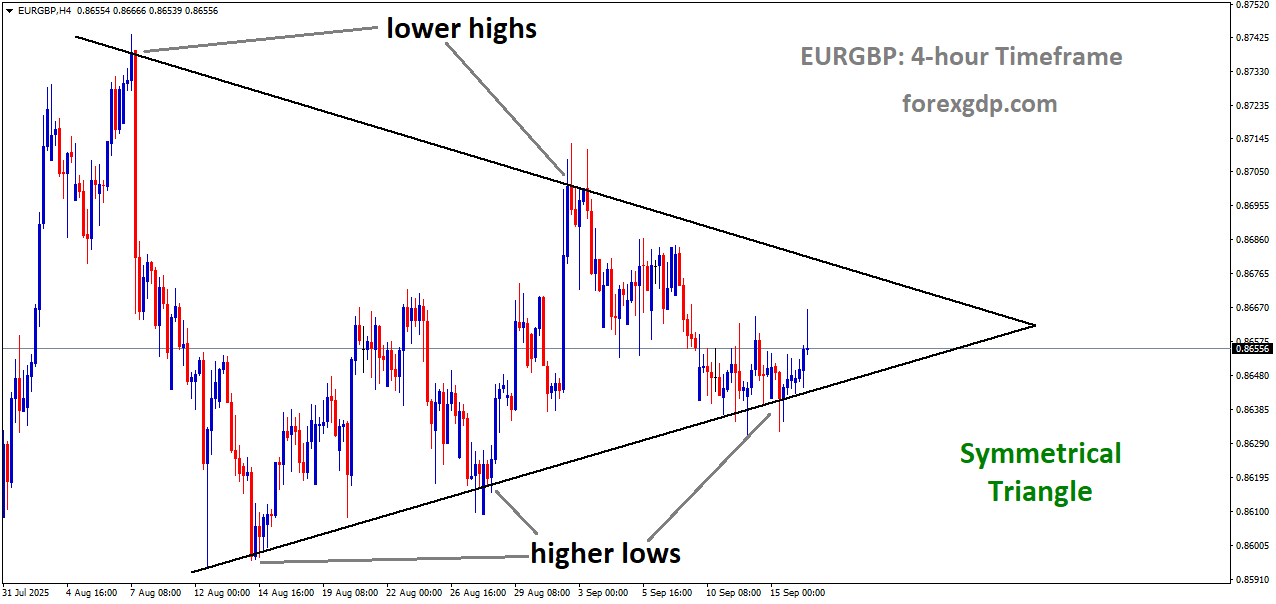
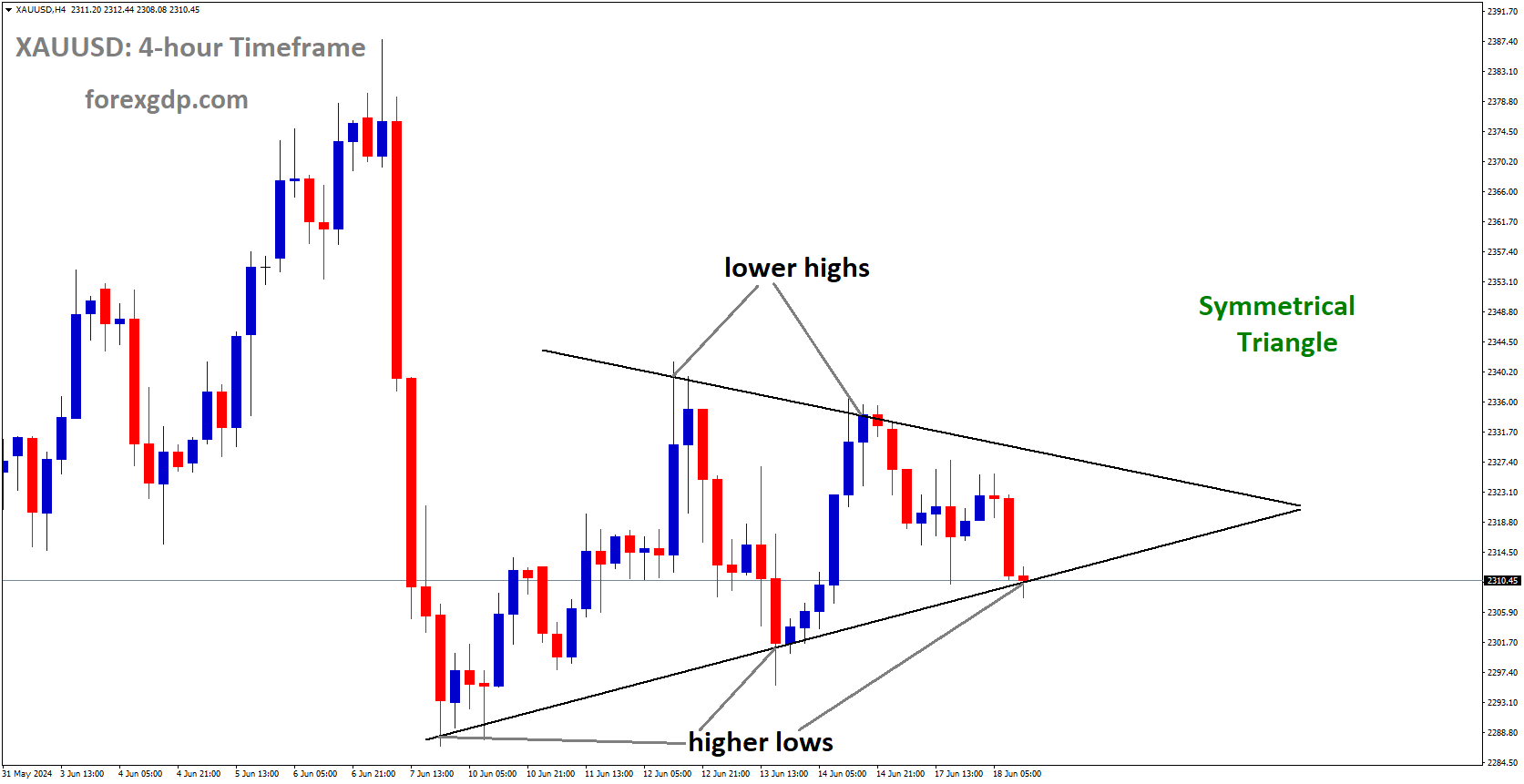
EURGBP is moving in a symmetrical triangle pattern
UK Employment Numbers: Strong but Not Shocking
Employment data in the UK usually has a big impact on the Pound. The latest numbers showed a notable rise in employment, beating market expectations. Net employment increased by over 200,000, a figure far stronger than what analysts had forecast. At the same time, jobless claims rose slightly, but not enough to overshadow the overall strength in the labor market.
Steady Unemployment and Moderate Wage Growth
-
The unemployment rate stayed steady at 4.7%, showing that the job market remains stable.
-
Wage growth, however, slowed a little, easing from 5% previously to 4.8%. While still healthy, this moderation hints at cooling wage pressures, something the Bank of England will pay close attention to.
On paper, this report looks like good news for the Pound. More jobs and steady unemployment should support the currency. But the reaction in the forex market was muted. Why? Because investors think the Bank of England isn’t in a hurry to change its course.
What About the Bank of England?
Central banks play a major role in shaping how currencies move, and right now, the Bank of England (BoE) is in the spotlight. Despite the upbeat employment report, most traders believe the BoE will keep interest rates on hold in the near term.
Why No Immediate Action?
-
Wage growth is slowing, which reduces the urgency for the BoE to tighten policy.
-
Inflation concerns have softened compared to last year, giving policymakers breathing space.
-
Investors expect that if there is a move later this year, it could be a small rate cut rather than a hike.
So while the UK labor market looks strong, the central bank’s cautious stance limits the Pound’s ability to gain significant ground. Traders are essentially waiting to hear what the BoE has to say in its next meeting.

Euro’s Quiet Strength
While the UK headlines dominate, it’s easy to overlook the Euro’s role. The Euro hasn’t exactly been roaring ahead, but it has shown resilience. Despite strong UK employment data, the Euro still managed to bounce from its lows.
Why is the Euro Holding Up?
-
Investors are cautious about making big moves before hearing from the BoE.
-
The Eurozone, while facing its own economic challenges, has shown signs of stability that help the Euro maintain balance.
-
Some traders see the Euro as a safe counterweight when uncertainty looms in the UK.
As a result, the EUR/GBP pair is stuck in a sideways pattern. Neither currency is strong enough to take full control, leaving the pair in a narrow trading range.
The Bigger Picture: What Traders Are Watching
The sideways movement in EUR/GBP is a sign of caution in the market. Traders are not ready to commit strongly to either currency until there’s more clarity. Here’s what they’re keeping an eye on:
1. Upcoming BoE Decision
The central bank’s next announcement could break the deadlock. If the BoE surprises with a shift in tone or policy, the Pound could see sharper moves.
2. UK Wage Trends
Although jobs are growing, wages are showing early signs of slowing. If this trend continues, it could weigh on consumer spending and overall economic momentum, limiting Pound strength.
3. Eurozone Stability
The Eurozone is not without risks, but steady inflation and cautious policy from the European Central Bank (ECB) give the Euro a foundation to avoid sharp losses.
Final Summary
The recent bounce of the Euro against the Pound, despite strong UK employment data, shows just how complex currency markets can be. On the surface, good news for the UK should boost the Pound. But with the Bank of England likely to stay cautious, traders are hesitant to push the Pound higher.
At the same time, the Euro’s quiet strength is keeping the pair in check, leaving EUR/GBP trapped in a tight sideways range. For now, the battle between the Euro and Pound is less about one side clearly winning and more about both waiting for the next big policy signal.
In short, the market is watching closely. A change in tone from the Bank of England or a shift in Eurozone confidence could tilt the balance. Until then, the Euro and Pound remain locked in a cautious tug-of-war.